
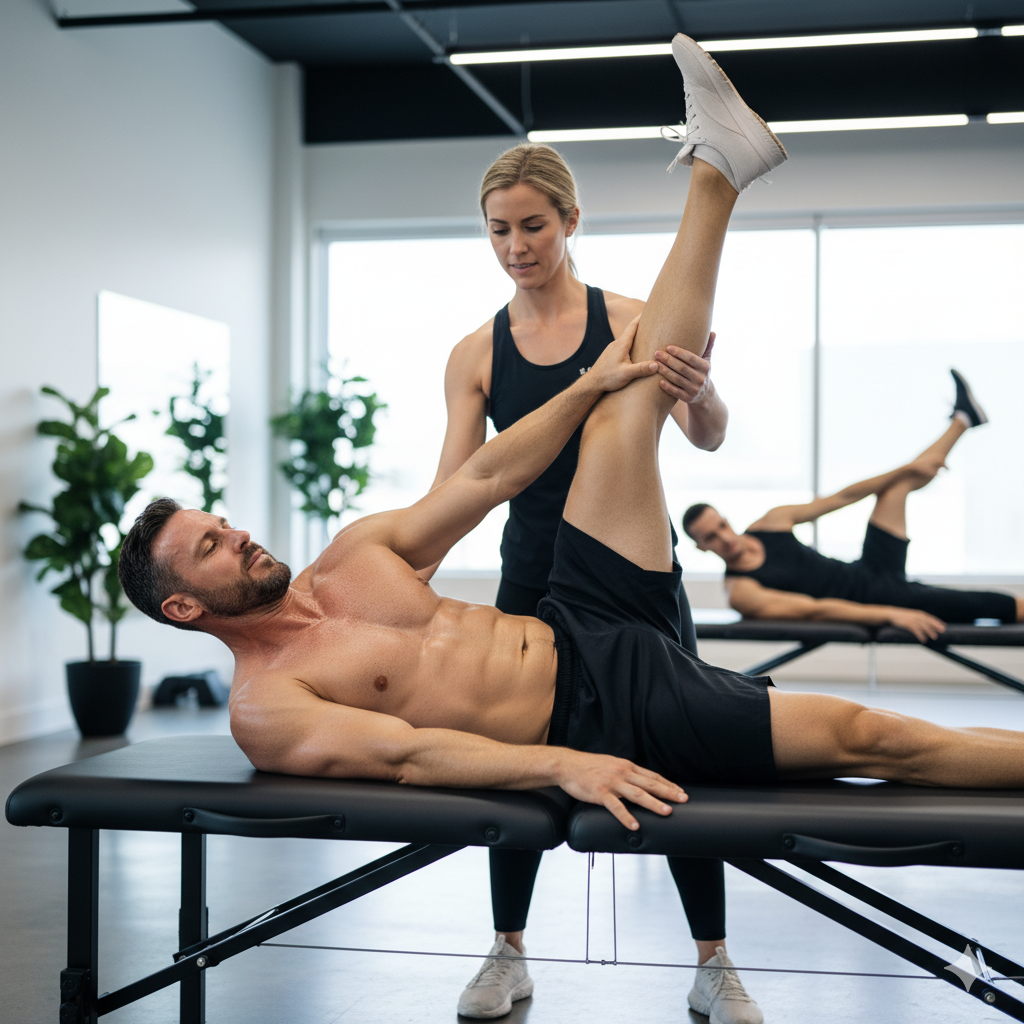



In an era where scientific understanding underpins almost every aspect of health and wellness, it’s crucial to understand the principles behind the practices we adopt. Assisted stretching, as championed by Get Stretched, isn’t just about feeling good; it’s deeply rooted in the intricate science of human physiology and biomechanics. At South Africa’s premier stretch studio, our Flexologists apply evidence-based techniques to help you truly move freely and live a life unburdened by chronic pain. Let’s delve into the fascinating science that makes Get Stretched so effective.
At its core, stretching, particularly assisted stretching, works by addressing the properties of our musculoskeletal system. Our muscles are not just bundles of fibers; they are complex organs encased in connective tissue called fascia. Over time, due to factors like aging, sedentary lifestyles, repetitive movements, injuries, and even stress, muscles and fascia can shorten, stiffen, and develop adhesions. This leads to restricted range of motion, muscle imbalances, and compensatory movements that often result in pain in seemingly unrelated areas of the body. For instance, tight hip flexors from prolonged sitting can contribute to lower back pain, while tight pectorals can lead to rounded shoulders and neck discomfort.
Get Stretched’s approach focuses on several key scientific principles:
- Muscle Elongation and Fascicular Release: Our Flexologists use precise, controlled movements to gently and effectively lengthen muscle fibers and release tension in the surrounding fascial network. When a muscle is stretched beyond its typical active range by an external force (the Flexologist), the Golgi Tendon Organs (GTOs) within the muscle’s tendons are activated. These sensory receptors send signals to the nervous system, instructing the muscle to relax, allowing for a deeper, safer stretch. This neuromuscular response is what makes assisted stretching profoundly more effective than passive self-stretching.
- Increased Blood Flow and Nutrient Delivery: Stretching promotes increased circulation to the stretched tissues. This fresh blood flow delivers vital oxygen and nutrients necessary for tissue repair and health, while simultaneously flushing out metabolic waste products that can accumulate after exercise or due to sedentary habits. Improved circulation reduces inflammation and aids in faster recovery from physical activity, diminishing delayed onset muscle soreness (DOMS).
- Joint Health and Synovial Fluid Production: Our joints are lubricated by synovial fluid, which nourishes cartilage and reduces friction. Movement and stretching encourage the production and circulation of this fluid. By guiding joints through their full, healthy range of motion, assisted stretching helps maintain joint health, prevent stiffness, and reduce the risk of degenerative conditions over time.
- Neuromuscular Re-education: Beyond simply lengthening muscles, assisted stretching helps “re-educate” the nervous system. When muscles are chronically tight, the brain receives signals indicating this tightness, often limiting the perceived range of motion. Through consistent, deep assisted stretches, the nervous system learns that these deeper ranges are safe and attainable, gradually resetting the body’s natural “stretch reflex” and allowing for greater freedom of movement. This also helps in breaking the pain-spasm cycle, where pain leads to muscle spasm, which in turn exacerbates pain.
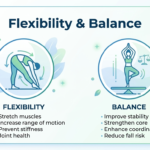
- Posture Correction and Balance: Muscle imbalances directly impact posture. Tight muscles on one side of the body can pull the skeletal structure out of alignment, leading to poor posture and increased strain on joints and ligaments. Assisted stretching systematically addresses these imbalances, helping to restore proper alignment and reduce compensatory movements, which are often sources of chronic pain and injury. By working to balance muscle tension, your Flexologist helps your body maintain a more natural, efficient posture.
At Get Stretched, every session with a Flexologist is a meticulously guided application of these scientific principles. It’s not just about stretching; it’s about a targeted physiological intervention designed to restore your body’s natural mobility, alleviate chronic pain, enhance athletic performance, and ultimately, empower you to live a more comfortable, active, and uninhibited life. Experience the intelligent design behind true flexibility.